
The Best Approach to Water Heater Repair: A Step-by-Step Guide
Introduction
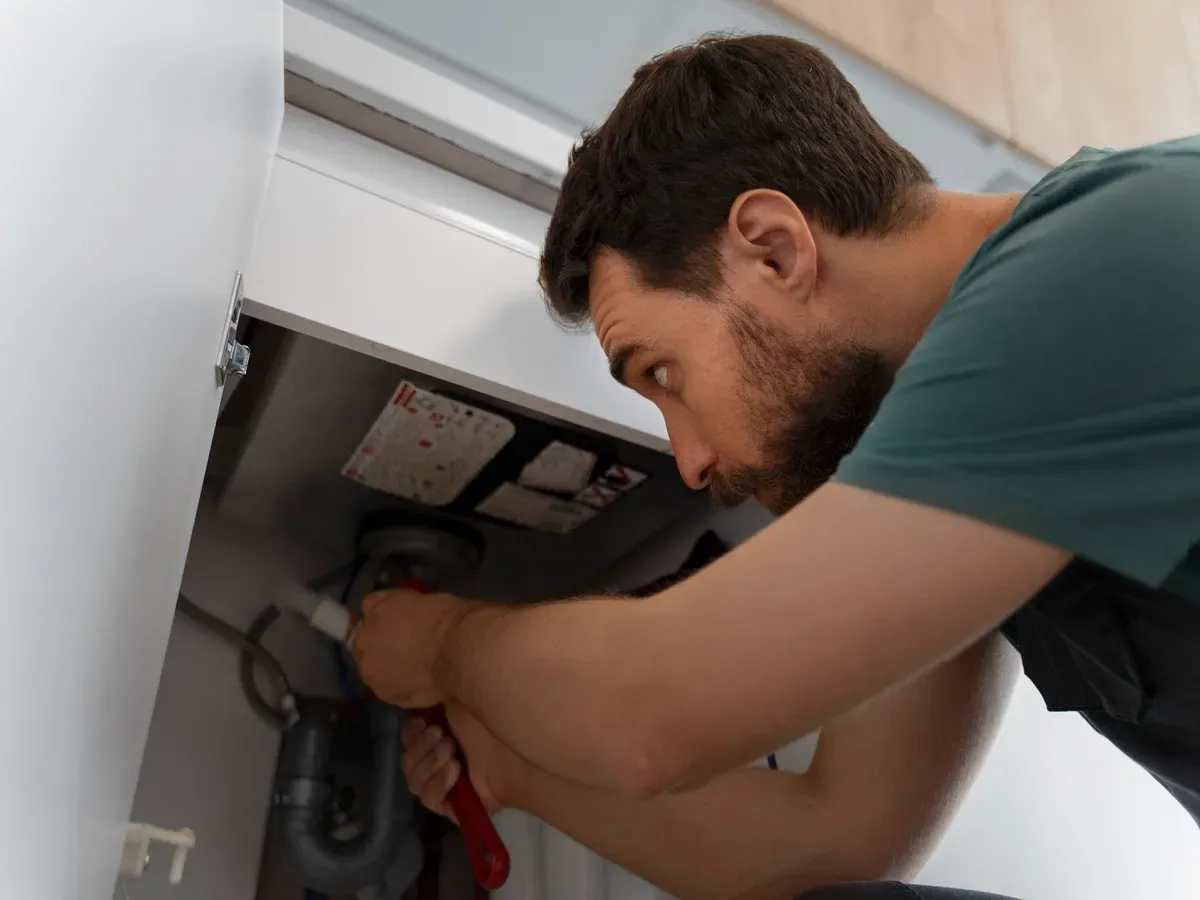
You turn on the shower Monday morning and the water stays ice cold. You don't know if it's a tripped breaker, a failing heating element, or something worse. That five-minute moment of not knowing what to do next is exactly what this guide is built for.
The best approach to water heater repair starts with understanding what you're looking at before you touch anything. This guide walks you through the most common symptoms, a simple troubleshooting checklist, honest DIY limits, and clear signs it's time to call a licensed plumber. If you're in Castle Rock, CO, we'll point you to a local resource at the end.
What Is the Best Approach to Water Heater Repair?
The best approach to water heater repair follows these steps:
1. Check for power or gas supply issues first
2. Look for visible leaks around the tank or connections
3. Listen for unusual noises — popping, rumbling, or hissing
4. Test or visually inspect the temperature and pressure relief (TPR) valve
5. Reset the thermostat or relight the pilot light if applicable
6. If the problem continues, contact a licensed plumber
Most repairs carry real safety risk when handled without the right training or tools. A licensed plumber can diagnose and fix the issue correctly — the first time.
For fast, reliable
water heater repair in Castle Rock, CO, Castle Rock Plumbing is ready to help.
Common Water Heater Problems (And What They Mean)
Water heaters give clear signals when something is wrong. Knowing what each symptom points to helps you respond faster and avoid guessing.
| Symptom | Likely Cause |
|---|---|
| No hot water at all | Tripped breaker, failed heating element, or pilot light out |
| Lukewarm water only | Thermostat set too low, one failed element (electric), or high demand |
| Rust-colored or cloudy water | Sediment buildup in tank or early tank corrosion |
| Popping or rumbling sounds | Sediment hardened on the tank floor, heating under pressure |
| Hissing sound | Water contacting a very hot element, possible slow leak |
| Water pooling at the base | Active tank or connection leak — not normal condensation |
| Sulfur or rotten egg smell | Bacteria reacting with the anode rod — common in unused tanks |
One of the most misread symptoms we see is a tripped reset button. Homeowners assume the unit is dead when it just needs a reset. Before you panic, check the reset button on the unit first.
Now that you know what your water heater might be telling you, here's the step-by-step process to figure out exactly what's wrong.
Step-by-Step Water Heater Troubleshooting Checklist
Work through these steps in order. Stop when you find the problem.
1. Check power or gas supply. For electric units, confirm the unit is plugged in and receiving power. For gas units, make sure the gas supply valve is open and the pilot light is on.
2. Check the circuit breaker or reset button. A tripped breaker is one of the most common causes of no hot water. Reset it once and see if the unit recovers.
3. Check the thermostat setting. The U.S. Department of Energy recommends 120°F for most households. If it's set lower, adjust it and wait an hour before testing.
4. Inspect the TPR valve. Look for signs of discharge or corrosion around the valve. Do not manually test it unless you know what you're doing — a faulty TPR valve can be dangerous.
5. Look for sediment buildup signs. If you hear rumbling or notice slow hot water recovery, sediment may be the cause. Check when the tank was last flushed — most tanks need it every one to two years.
This is the same checklist we run through on every water heater service call before any tools come out. It saves time and keeps the diagnosis accurate.
What You Can Fix Yourself — And What You Shouldn't
Some water heater issues are safe to handle on your own. Others are not. Here's how to tell the difference.
| Safe to DIY | Leave It to a Pro |
|---|---|
| Relighting a gas pilot light (per manufacturer instructions) | Replacing a TPR valve |
| Adjusting the thermostat setting | Replacing a heating element |
| Resetting a tripped circuit breaker | Any work on gas lines or connections |
| Replacing the anode rod (if you're handy and have the right tools) | Active water leaks at the tank or fittings |
| Flushing sediment from the tank (if you've done it before) | Carbon monoxide or gas smell — call 911 first |
DIY work on gas connections and electrical components carries real risk. The Consumer Product Safety Commission links improper gas appliance repairs to carbon monoxide exposure and fire hazards. Beyond safety, unauthorized repairs on gas or pressure components can void your manufacturer warranty.
If you're unsure whether your situation falls in the DIY column, assume it doesn't. Not sure if your problem crossed the line from DIY to pro territory? Here's a simple way to know for sure.
How to Know It's Time to Call a Professional
Some signs make the decision easy. If any of these apply, stop troubleshooting and call a plumber.
• Your tank is 8–12 years old or older. The U.S. Department of Energy puts average tank water heater lifespan at 8–12 years. At that point, repair costs often don't make sense compared to replacement.
• You've had the same problem more than once. Recurring repairs are a signal the unit is failing overall — not just one part.
• You see an active water leak. Water at the base of the tank is not condensation. It means a fitting, valve, or the tank itself is leaking.
• You smell gas. Leave the house and call your gas provider and 911 before calling a plumber.
• Your repair requires a licensed permit. Some work in Colorado requires a licensed plumber to stay code-compliant. A pro will know what applies.
Castle Rock water heater repair service — if any of the above applies to you, we're ready to help.
What to Expect During a Professional Water Heater Repair
Knowing what happens during a service call takes the stress out of scheduling one.
When a Castle Rock Plumbing tech arrives, they start with a full diagnostic before recommending any repair. They check power or gas supply, inspect all connections, test the TPR valve, and assess the age and condition of the unit. Nothing is quoted until the problem is confirmed.
Common repairs we handle include:
• Heating element replacement (electric units)
• Thermostat replacement
• Tank flush and descale
• TPR valve replacement
• Pilot assembly repair (gas units)
Most standard repairs take between one and three hours. Larger jobs like full replacements take longer, and your tech will tell you upfront what to expect.
Before authorizing any water heater repair, ask your plumber:
1. What exactly is wrong, and what's causing it?
2. Is repair the right call, or does the unit need replacement?
3. What parts are being used, and do they carry a warranty?
4. Is a permit required for this repair?
5. What's the total cost before you start?
A good plumber answers all five without hesitation. If you're in Castle Rock, CO, here's what you should know about local water conditions — and where to turn when you need help fast.
Water Heater Repair in Castle Rock, CO — Local Info
Castle Rock sits in Douglas County, where water hardness is a known issue for homeowners. Hard water carries high mineral content — calcium and magnesium — that settles as sediment inside your tank over time. That sediment buildup is one of the leading causes of reduced efficiency, strange noises, and premature tank failure. If your tank hasn't been flushed recently, Castle Rock's water conditions make that service worth scheduling sooner rather than later.
Colorado winters add another layer. When outdoor temperatures drop, your water heater works harder to maintain tank temperature and keep up with household demand. Units that are already stressed by age or sediment tend to fail faster during the cold months — which is why we see a spike in repair calls between November and February.
Working with a locally licensed Colorado plumber also matters for code compliance. Certain repairs and replacements require permits under Colorado state law. A plumber who knows Douglas County and Castle Rock's local requirements makes sure your work is done right and documented properly.
At Castle Rock Plumbing, we're local, licensed, and experienced with both tank and tankless water heaters. We serve homes and businesses across Castle Rock and the surrounding area, and we're available when you need us — including emergency calls.
Castle Rock Plumbing 785 Park St, Castle Rock, CO 80109 (970) 703-0305
Ready to get your hot water back? Contact us for water heater repair Castle Rock CO