
Frozen Pipe Repair in Castle Rock, CO - Fast Help When Pipes Stop Flowing
Pipes frozen and no water coming out of the tap? That's a problem that won't wait. We help homeowners across Castle Rock, CO get frozen pipes thawed and flowing again — fast. The sooner you act, the better your chances of stopping a freeze before it turns into a burst pipe and a flooded floor. Call us now, or keep reading to know exactly what to do first.
In Castle Rock, winter temperatures regularly drop below 20°F - and some nights in January can get even colder. When that cold air moves in, frozen pipes can happen fast. This page covers frozen pipe repair in Castle Rock, CO, including how to spot the signs, which pipes are most at risk, and what to do right now if you think a pipe has frozen.
We hear from homeowners all the time who woke up, turned on the faucet, and got nothing. No water in the kitchen. Nothing in the bathroom. Pipes in garages, crawl spaces, and exterior walls are the usual culprits. In most cases, a licensed Castle Rock plumber can come out, assess the situation, and get the repair done the same day. We know these homes. We know this weather. And we know how to fix it.
These Are the Signs Your Pipes Are Frozen
A frozen pipe shuts off water flow to one or more spots in your home. Sometimes it's just one faucet. Sometimes it's a whole side of the house. The first thing most people notice is that the water just stops.
Here are a few signs to look for:
- No water or very low pressure at a single faucet — especially after a cold night
- Frost on an exposed pipe — usually in a garage, crawl space, or along an outside wall
- A clanking or cracking sound from inside the walls when temps drop fast
- A strange smell from a drain — frozen drain lines can trap odors
Castle Rock homeowners tend to notice frozen pipes most on the coldest January and February mornings. If you woke up to no water after temps dropped overnight, a frozen pipe is the likely reason. Homes near Meadows Boulevard with older copper supply lines often show these symptoms first. Copper conducts cold quickly, so those pipes react fast when the temperature falls.
Catching a freeze early is the key. A plumber can thaw a frozen pipe without damage. A burst pipe is a different story entirely.
Certain Pipes in Your Home Are at Much Higher Risk
Not every pipe in your house is equally exposed. Some spots lose heat much faster than others — and those are the pipes that freeze first.
The highest-risk locations are:
- Pipes along exterior walls — they sit right next to cold air with little insulation between them
- Lines in unheated crawl spaces — cold air settles there and doesn't leave
- Under-cabinet pipes in kitchens and bathrooms — especially on an outside-facing wall
- Hose bib supply lines and garage utility sinks — these are often the first to go
Castle Rock sits at about 6,200 feet above sea level. Cold air drops fast up here and tends to stay low overnight — right where your crawl space and lower-level pipes are. If you've ever stepped outside in January and felt the cold settle in around your ankles, that's the same air sitting under your floor all night long.
A lot of homes built in Castle Rock in the 1990s have pipes routed right through uninsulated garage walls. If your house is from that era and you've never had the pipes checked, it's worth a look before the next cold snap hits.
A Frozen Pipe Can Burst - Even After It Thaws
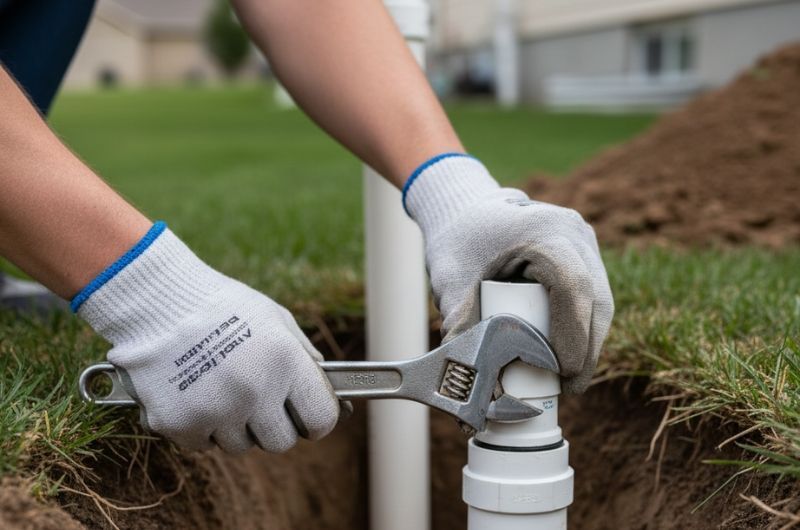
Here's something a lot of homeowners don't know: the danger doesn't always end when the water starts flowing again. Ice inside a pipe puts serious pressure on the pipe wall. That pressure can cause tiny cracks — or a full split — that you can't see from the outside.
The pipe might hold together while it's still frozen. Then, when the ice melts and water starts moving again, the pressure change pushes through those weak spots. A burst pipe can dump hundreds of gallons of water into your home before you even realize something is wrong.
This is why we always recommend having a plumber inspect the line even after flow returns. It's not about upselling you on something extra. It's about catching a problem before your ceiling is dripping or your subfloor is soaked.
In the Plum Creek area, we see this a lot. Crawl space pipes that freeze and thaw multiple times through the season take repeated stress. By February, some of those pipes are barely holding. A quick inspection after a freeze can save a homeowner thousands.
Here Is How a Plumber Safely Thaws and Repairs a Frozen Pipe
DIY thawing attempts go wrong more often than people expect. An open flame can crack a pipe in seconds. High-heat devices aimed at the wrong spot can cause the same pressure spike you were trying to avoid. Here's what we do instead.
When we respond to a frozen pipe call in Castle Rock, we:
- Locate the frozen section using pressure testing and visual inspection
- Thaw the pipe slowly and safely using a pipe heating cable, heat gun, or warm water wrap — no open flame, no shortcuts
- Inspect the full line for cracks, bulges, or weak spots caused by ice pressure
- Replace any damaged section with new pipe and fittings, done to code
Our team responds to frozen pipe calls across Douglas County every winter. We know the common freeze points in Castle Rock neighborhoods and we come prepared. Douglas County code requires a permit for any supply line replacement, and we handle that automatically — so you don't have to worry about compliance after the fact.
What to Do Right Now If You Suspect Frozen Pipes
If you think a pipe is frozen, the first move is to protect your home — not to fix the problem yourself. Here's what to do while you wait for us to arrive.
Step 1: Shut off the main water supply valve. This stops water from flowing into the line. If the pipe is already cracked, this one step can prevent a flood. In most Castle Rock homes, the main shutoff is in the utility room or near the water meter.
Step 2: Open the faucet connected to the frozen pipe. Leave it open. This releases pressure on the frozen section and gives water somewhere to go as the pipe begins to thaw.
Step 3: Apply warm towels to any exposed pipe you can reach. This is safe and gentle. Warm — not hot — is the goal.
What not to do: Don't use a torch, a hair dryer on high heat, or a space heater pointed directly at the pipe. Any of those can crack the pipe or start a fire.
If your home is in The Village at Castle Pines, check your HOA rules. Some associations require a licensed plumber's work order for any repair that affects shared water lines. We can provide that documentation.
Crawl Spaces and Basements in Castle Rock Need Extra Protection
Crawl spaces are one of the most common places pipes freeze in Colorado — and Castle Rock homes are no exception. Cold air flows freely under the floor and wraps right around supply and drain lines. Without insulation or heat tape, those pipes are completely exposed to whatever the night brings.
Many ranch-style and split-level homes in Castle Rock have large crawl space areas under the main living floor. If yours does, it's worth taking a look before winter hits full force. A plumber can install:
- Pipe insulation sleeves on supply and drain lines
- Heat tape on the most exposed sections
- Crawl space vent covers to block cold air from flowing in
Castle Rock's high-desert climate doesn't just bring cold — it brings wind. Open crawl space vents in January act like a wind tunnel aimed right at your pipes. Sealing those vents and adding insulation can make a real difference.
Getting this done before a cold snap is always easier than getting it done during one. A little prep now means fewer emergency calls at 6 a.m. on a February morning.
Frequently Asked Questions
Is a frozen pipe an emergency?
A frozen pipe is absolutely an emergency in Castle Rock. Colorado winters regularly drop below freezing, and a frozen pipe can burst within hours - causing thousands of dollars in water damage. If you notice reduced water flow, frost on exposed pipes, or strange smells from faucets, call a plumber immediately. Read our full guide on how to prevent and thaw frozen pipes in Castle Rock before winter hits. Do not wait to see if it thaws on its own.
How do I know if my pipes are frozen in Castle Rock?
If you turn on a faucet and get nothing — or just a trickle — after a cold night, your pipes are likely frozen. Check exposed pipes in your garage or crawl space for frost or any visible bulging. Those are clear signs the water inside has turned to ice.
Which pipes freeze first in a Castle Rock home?
Pipes along exterior walls, in crawl spaces, in garages, and the supply lines to hose bibs freeze before anything else. These spots are the least protected from cold air and are usually the first to show signs during a cold snap.
Can a frozen pipe burst after it thaws?
Yes — and this happens more than most people expect. Ice pressure creates tiny cracks in the pipe wall that hold together while frozen but fail once water starts flowing again. Always have a plumber inspect the line after a freeze, even if the water seems to be running fine.
What temperature do pipes freeze at inside a house?
Pipes inside your home are at real risk when outdoor temperatures fall below 20°F and the spaces around those pipes — like a garage or crawl space — lose heat overnight. Castle Rock regularly hits those temps from December through February.
Is it safe to thaw pipes myself before the plumber arrives?
You can safely wrap warm towels around exposed pipes to start a slow thaw. What you should not do is use an open flame, a high-heat hair dryer aimed directly at the pipe, or a space heater placed right against it. Those methods cause more damage than the freeze itself.
How do I protect my crawl space pipes from freezing again?
A plumber can install heat tape on exposed lines, add pipe insulation sleeves, and seal your crawl space vents before the next cold snap hits. These are straightforward fixes that make a big difference in homes with large unheated crawl spaces — which describes a lot of Castle Rock properties.