
Sewer Camera Inspection in Castle Rock, CO
We send a live camera through your sewer line so you know exactly what's wrong — before anyone starts digging. A licensed plumber at Castle Rock Plumbing handles the whole thing. Same-day slots are often available, so
call us at
(970) 703-0305
to get on the schedule.
Whether your home is in an older part of Castle Rock or a newer subdivision that went up in the last few years, sewer line problems happen. This page covers what a sewer camera inspection is, how it works, who needs one, and when to book it. Most inspections wrap up in under an hour, and you get results the same day. We scope your line and give you facts — not guesses.
What Does a Sewer Camera Inspection Show in Castle Rock, CO?
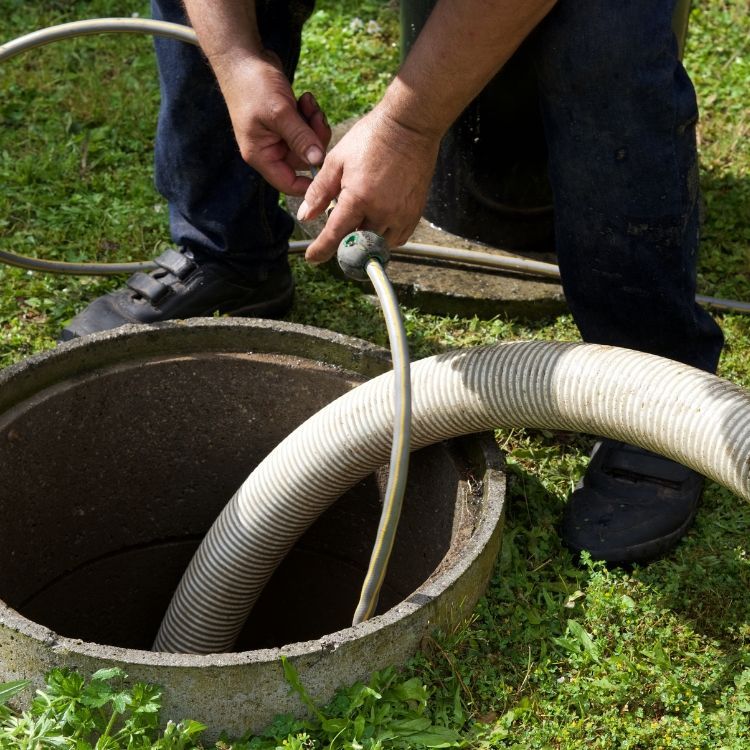
A sewer camera inspection uses a waterproof camera on a flexible cable to see inside your sewer line. Our plumber feeds the camera through your drain cleanout and watches a live video feed right on site. The footage shows you exactly where a problem is and what caused it.
Here's what the camera commonly finds:
- Cracks, breaks, or collapsed pipe sections
- Tree root intrusion blocking flow
- Grease buildup, offset joints, or standing water
What a Sewer Camera Inspection Shows Inside Your Pipes
A flexible cable with a waterproof camera travels through your sewer line. Our plumber watches live video on a monitor above ground while the camera records everything inside the pipe. You see what we see — no assumptions, no digging blind.
Castle Rock homes have a mix of old clay pipe, cast iron, and newer PVC. Each material shows different wear patterns on camera. Knowing which pipe you have helps us tell you what to watch for and what to fix first.
The Right Time to Schedule a Sewer Camera Inspection
Slow drains, gurgling toilets, and sewage smells are all signs something is off. You do not have to wait for a full backup before you call us. Catching a small problem early — like a root starting to grow into your line — costs a lot less than fixing a collapsed pipe later.
Buyers, sellers, and current Castle Rock homeowners all have good reasons to book an inspection. Every spring, snowmelt soaks into the soil around homes here in Castle Rock. That puts extra pressure on sewer lines and is one of the most common times we get calls.
How a Plumber Runs a Camera Through Your Sewer Line
We start by finding your cleanout access point. This is usually near your foundation or somewhere in the yard. The camera feeds into the line and moves toward the connection at the street. A locator device above ground tracks the camera's exact depth and position as it goes.
Homeowners in Cobblestone Ranch and Crystal Valley ask us about this process all the time before booking. Here is the short answer: no digging, no cutting into walls. The camera does all the work from one small access point. If your home was built before 1990, it may not have a cleanout yet — we can add one so the camera can get in.
Problems a Sewer Camera Can Find Before They Get Worse
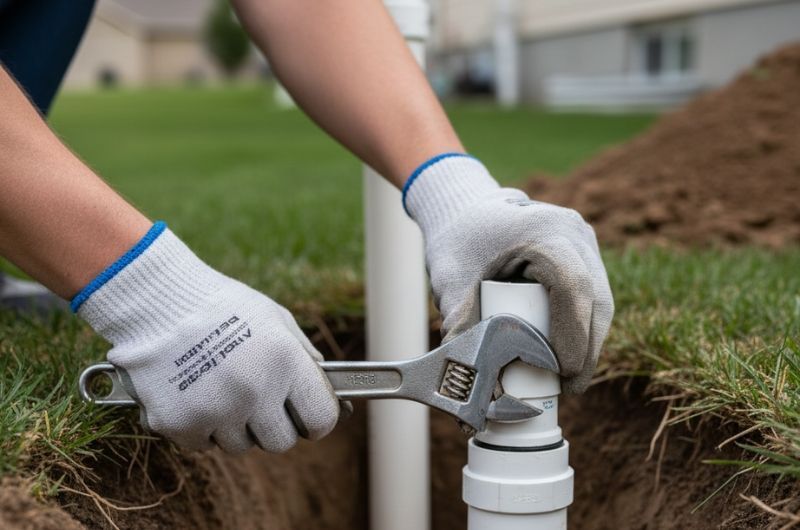
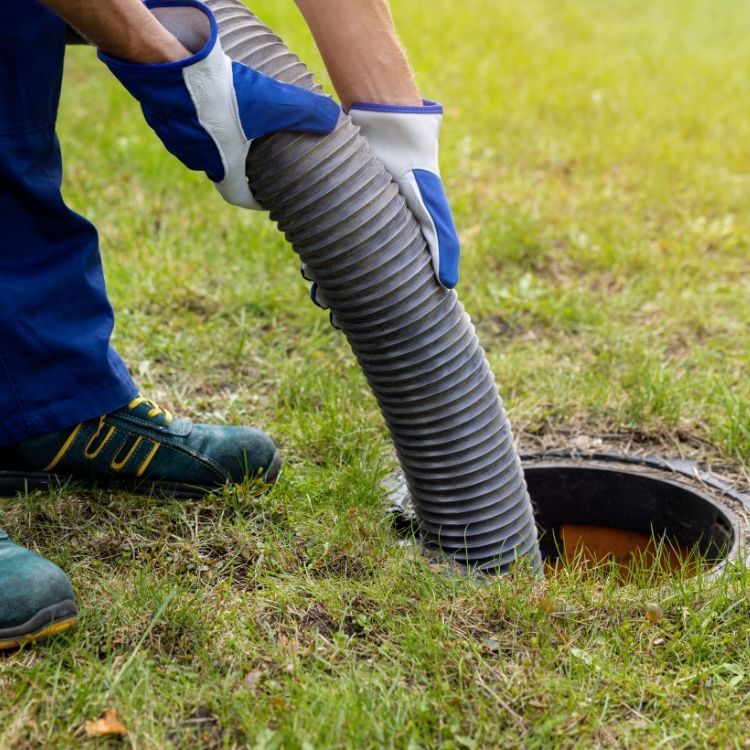
The camera spots tree root intrusion, pipe cracks, joint offsets, and heavy buildup inside the line. It can also find a pipe belly — a low sag where waste collects and sits. Every problem shows up clearly on the video feed.
Castle Rock homes near Plum Creek and on older streets deal with root problems more than most. Tree roots follow water, and a small crack in your pipe is all they need to get started. Finding a partial root blockage on camera means we can clear it before it turns into a full break. Colorado's clay-heavy soil also shifts with freeze and thaw cycles through the winter, which slowly pushes pipe joints out of line over time.
What to Expect on Inspection Day in Castle Rock
When we arrive, we locate the cleanout and run the camera. Start to finish, most inspections take 30 to 60 minutes. You can watch the footage with our plumber as it runs, or we review it together right after. You get a written report or a video file the same day — not just a verbal rundown.
Busy families in Castle Rock appreciate the short time window. That documented footage is also useful if you ever need to file an insurance claim or negotiate during a home sale. In newer Castle Rock subdivisions, cleanout access is usually easy to find. In older parts of The Meadows, it can take a few extra minutes to track down — but we always find it.
How Often Your Sewer Line Needs a Camera Inspection
For newer PVC pipe, most plumbers recommend an inspection every 18 to 22 years. Older cast iron or clay lines are better checked every 5 to 7 years. Any time you keep having drain problems that come back, that is a reason to look sooner.
Many long-term Castle Rock homeowners have never had a camera inspection — and that means they are likely overdue. Castle Rock grew fast, and homes were built in waves across different neighborhoods. Pipe material and age can change block to block, so knowing what you have matters. A routine inspection every few years costs far less than emergency repair after a surprise collapse.
Frequently Asked Questions
Should I get a sewer camera inspection before buying a home in Castle Rock?
Yes — a sewer camera inspection before buying reveals hidden damage that a standard home inspection will not catch. This is especially worth doing for older homes or any property with large trees in the yard.
Can tree roots show up on a sewer camera?
Yes — roots appear clearly on the video as fibrous masses that are blocking or growing through the pipe wall. You can see exactly how far they have gotten.
Can a sewer camera find a leak underground?
Yes — the camera shows water coming in through separated joints, cracks, and other weak spots in the line. You can see the exact location without any digging.
How long does a sewer camera inspection take in Castle Rock?
Most inspections finish in 30 to 60 minutes. The time depends on how long your line is and how easy the access point is to reach.
What problems can a sewer camera detect?
A sewer camera can find root intrusion, cracks, pipe bellies, joint offsets, grease buildup, and fully collapsed sections of pipe.
How often should Castle Rock homeowners have their sewer line inspected?
Every 5 to 7 years for older clay or cast iron pipe, and every 18 to 22 years for newer PVC. If drain problems keep coming back, inspect sooner.