
Water Heater Descaling & Maintenance in Castle Rock — Keep Hot Water Flowing
If you live in Castle Rock, you already know our water is tough on everything — pipes, appliances, and especially water heaters. Hard water is just part of life here on the Front Range, but it doesn't have to mean cold showers or early water heater failure. At Castle Rock Plumbing, we provide professional descaling and maintenance for both tank and tankless water heaters. We flush out the sediment, restore efficiency, and help your unit last years longer. Want to see what's included? Give us a call and we'll book a visit that works for you.
In Castle Rock, water hardness ranks among the highest on the entire Front Range. That means every gallon of water that flows through your water heater carries calcium and magnesium minerals with it. Over time, those minerals build up and cause real problems. This page covers water heater descaling, tank flushing, anode rod inspections, and routine maintenance for both tank and tankless systems.
We work with homeowners dealing with all kinds of issues — annual upkeep, strange noises, slow hot water, and pre-winter prep. Most visits are scheduled within the same week. One of our licensed plumbers will inspect your system before any work begins, so you always know what you're getting into.
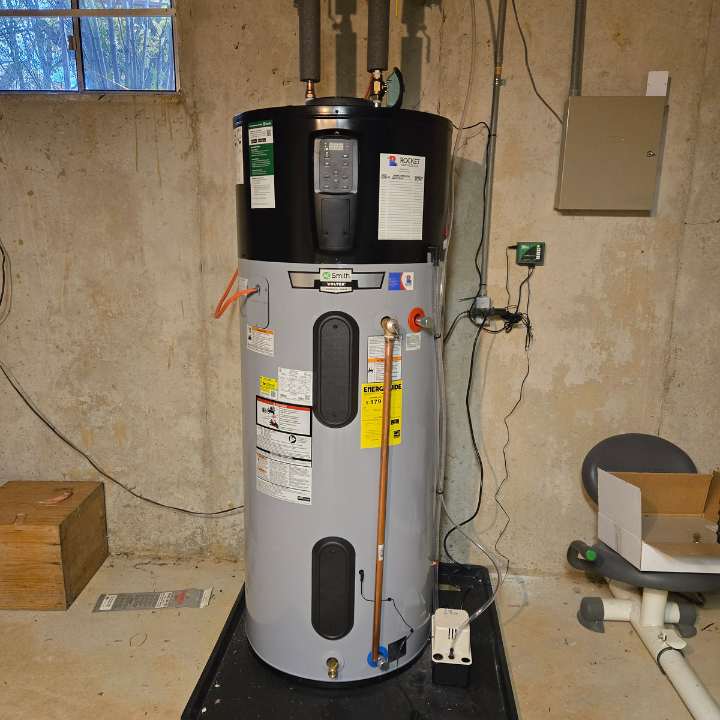
Hard Water in Castle Rock Shortens Water Heater Life Faster Than You Think
Castle Rock's tap water carries high amounts of calcium and magnesium. When that water sits inside your water heater, those minerals slowly coat the inside of the tank. Your heater has to work harder and harder just to heat the same amount of water. That drives up your energy bill and wears out the unit faster.
If you're in a neighborhood like Terrain or The Meadows, your water heater is dealing with some of the worst buildup in the county. Castle Rock's water hardness often exceeds 15 grains per gallon — one of the highest readings in all of Douglas County. Regular descaling keeps your energy use low and can add years to your water heater's life.
Sediment Buildup Is the Most Common Reason Water Heaters Fail Early
Here's what happens inside a tank water heater over time. Minerals from hard water sink to the bottom of the tank. They harden into a thick layer of sediment. That layer traps heat beneath it, which causes the tank lining to overheat. Eventually, the glass lining cracks and the tank wall corrodes. Once that happens, the heater is done.
Any Castle Rock home that's more than three years old and has a tank-style water heater is at risk. Flushing the tank gets rid of that sediment before it does permanent damage. If you live in Crystal Valley Ranch, your home may also have older supply lines nearby, which can add pipe debris on top of the mineral buildup.
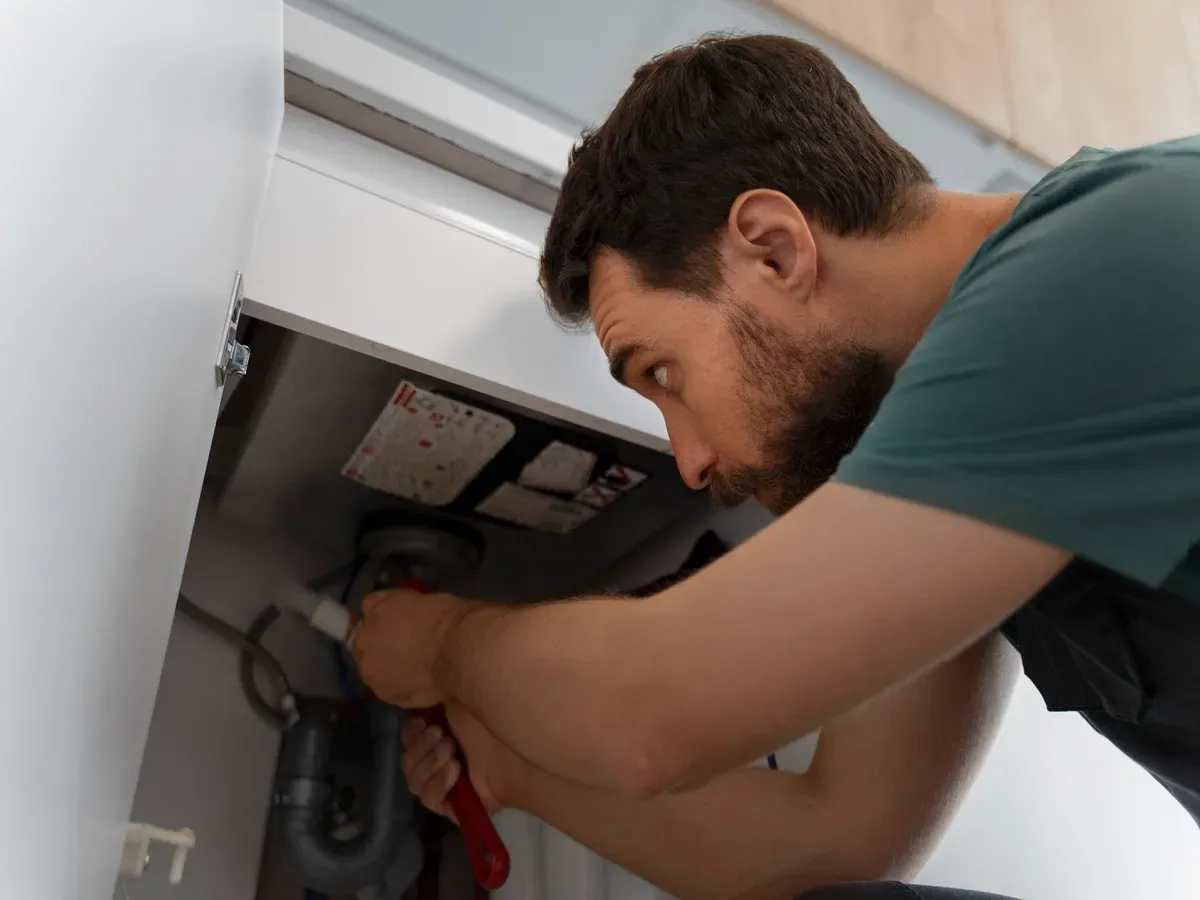
How Often Should You Schedule Water Heater Maintenance ?
Most Castle Rock homes need a water heater flush once a year. Hard water speeds up sediment buildup, so tankless units may actually need descaling every six months. A licensed plumber can look at your system and set the right schedule for your home.
- Tank water heaters → flush once a year; check the anode rod every 1–2 years
- Tankless water heaters → descale every 6–12 months in Castle Rock's hard-water conditions
Act now if you notice → rumbling noise, slow hot water recovery, or discolored water
Your Anode Rod Is the Unsung Hero of Water Heater Longevity
Most Castle Rock homeowners have never heard of an anode rod. It's a metal rod inside your water heater tank that attracts corrosive minerals. It basically sacrifices itself so the tank wall doesn't rust. When the rod wears all the way down, the minerals start eating through the tank instead.
Replacing a worn anode rod is one of the lowest-cost ways to add years to your water heater. In most parts of the country, manufacturers recommend replacing it every three years. In Castle Rock, we recommend checking it every one to two years. Our hard water depletes anode rods faster than the national average, and catching it early saves you a much bigger repair bill later.

Popping and Rumbling Noises Are a Warning Sign You Shouldn't Ignore
That banging or gurgling sound coming from your garage or utility closet? That's water that's trapped under sediment, boiling. When it forces its way out, it makes that popping or rumbling noise. It means your heater is working much harder than it should.
Left alone, this wears out the heating element early and pushes your energy bills higher. A tank flush and descale stops the noise and takes the strain off the system. Castle Rock winters get cold and our summers get dry and hot. Those seasonal swings cause sediment inside the tank to shift and settle in ways that make the noise problem worse, faster than it would in a milder climate.
Tankless Water Heaters Need Descaling Too — Especially in High-Mineral Areas
A lot of Castle Rock homeowners upgraded to a tankless water heater for the efficiency. But tankless units aren't immune to hard water. They heat water through a narrow heat exchanger, and mineral scale clogs that exchanger fast. In high-mineral water like ours, this can happen in less than a year.
If you have a tankless unit and haven't had it serviced since installation, it's worth getting it checked. Descaling restores the full flow rate and gets your unit running at the efficiency it was designed for. Homes in Castle Rock Proper and those near the Castlewood Canyon area see some of the fastest scale buildup, likely due to the combination of elevation-related water pressure and local mineral content.
What Happens During a Professional Water Heater Maintenance Visit
When one of our plumbers visits your home, here's what they actually do:
- Inspect the unit — check for leaks, wear, and the current sediment level
- Flush the tank (for tank-style heaters) — push out built-up sediment through the drain valve
- Check the anode rod — see if it needs to be replaced before the tank starts rusting inside
- Circulate descaling solution (for tankless heaters) — run it through the heat exchanger to dissolve mineral scale
After the visit, you'll have a clear, honest picture of where your system stands and what it may need down the road. Because we work in Castle Rock every day, we know the local water well. We adjust the flush and descale process based on actual mineral load — not a generic checklist that could apply anywhere.
Frequently Asked Questions
How often should I schedule water heater maintenance in Castle Rock?
Once a year is the right schedule for most tank water heaters in Castle Rock. If you have a tankless unit, aim for every six months given how hard our water is. A quick annual checkup can catch small problems before they become big ones.
What are the signs my water heater needs descaling right now?
A rumbling or popping noise is the most common sign. You might also notice slow hot water recovery, cloudy or rusty-colored water, or a rise in your energy bill without a clear reason.
Can hard water void my water heater warranty?
Yes, some manufacturers require documented maintenance to keep the warranty valid. A professional service visit creates that record. Skipping maintenance could leave you with no warranty coverage when you need it most.
Does flushing a water heater actually improve performance?
Yes. Removing sediment from the bottom of the tank lowers energy use, speeds up hot water recovery time, and reduces wear on the heating element. Most homeowners notice the difference right away.
What is an anode rod and when does it need to be replaced in Castle Rock?
An anode rod is a sacrificial metal rod inside your tank that draws in corrosive minerals to protect the tank wall from rusting. In hard-water areas like Castle Rock, it needs to be replaced every one to two years — more often than the standard three-year recommendation most manufacturers list.
Is tankless water heater descaling something I can do myself?
The process requires a pump, food-grade descaling solution, and a specific flushing sequence to do safely. Most Castle Rock homeowners hire a plumber to avoid making a costly error — but if you're comfortable with the process, we're happy to walk you through what's involved.