
Why Castle Rock's Clay Soil Damages Sewer Lines | Guide
Why Castle Rock's Clay Soil Damages Sewer Lines | Complete Guide
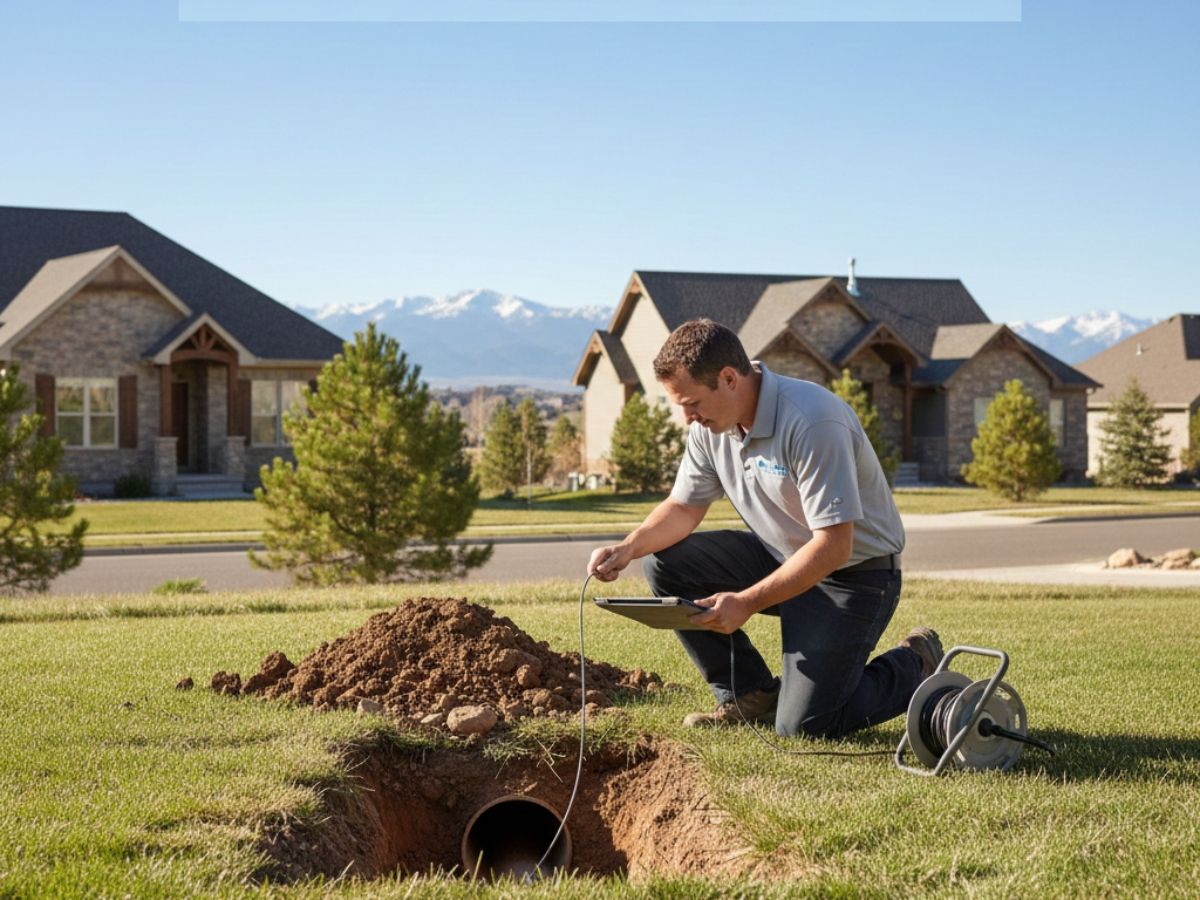
Castle Rock homeowners face a unique plumbing challenge that many other Colorado communities don't deal with: expansive clay soil that puts constant pressure on underground sewer lines. If you've noticed slow drains, soggy spots in your yard, or sewage odors around your property, Castle Rock's soil composition might be the hidden culprit attacking your pipes.
This guide explains why Castle Rock's clay soil is so damaging to sewer lines, how to spot the warning signs, and what local homeowners can do to protect their plumbing systems and property values.
What Makes Castle Rock's Soil Different?
Castle Rock sits in an area dominated by bentonite clay and expansive clay soils, soil types that dramatically change volume based on their moisture content. When these clay soils absorb water from rain, snowmelt, or irrigation, they can expand by 10% or more. When they dry out during Colorado's hot summers or winter freezes, they contract significantly.
This constant expansion and contraction creates what engineers call "soil movement," underground shifting that applies tremendous pressure to anything buried beneath your property, including sewer lines, water lines, and foundation footings.
The Denver-Julesburg Basin geology underlying Castle Rock contains layers of Pierre Shale and Dawson Formation sediments, both rich in expansive clay minerals. These formations are why Castle Rock builders must adhere to strict foundation requirements - and why your underground plumbing is constantly under stress.
Get an accurate estimate for your sewer line repair - Call (970) 703-0305 for a free camera inspection
Key factors that make Castle Rock's soil problematic:
- High plasticity clay content that swells when wet
- Moisture fluctuations from Colorado's boom-and-bust precipitation patterns
- Freeze-thaw cycles that amplify soil movement
- Poor drainage characteristics that keep the clay saturated longer
- Soil pH levels that can corrode certain pipe materials over time
How Expansive Clay Damages Sewer Pipes
Castle Rock's clay soil damages sewer lines through several mechanisms, often working in combination to create serious plumbing failures.
Lateral Pressure and Pipe Compression
When clay soil swells with moisture, it pushes inward on buried pipes from all sides. Older clay pipes, cast iron pipes, and even some PVC pipes can't withstand this constant squeezing. Over months and years, this lateral pressure causes pipes to crack, collapse, or separate at joints.
We often see this damage pattern in
sewer camera inspections- pipes that look crushed or oval-shaped instead of perfectly round, with cracks running along the length of the pipe where the clay soil compressed them beyond their structural limits.
Differential Settlement
Not all soil beneath your property expands and contracts uniformly. Some areas stay wetter longer (near downspouts, irrigation zones, or natural drainage paths), while others dry out faster. This uneven movement causes differential settlement - some sections of your sewer line sink or shift while others remain stable.
The result? Sewer pipes develop sags, bellies, or misalignments where sections no longer connect properly. These low spots trap water and waste, leading to
recurring drain clogsand eventually complete blockages.
Joint Separation
Most sewer lines aren't one continuous pipe - they're multiple pipe sections connected at joints. Clay soil movement pulls these joints apart over time, creating gaps where sewage leaks out and groundwater (along with tree roots) leaks in. These separated joints are one of the most common failure points we find in Castle Rock homes built before 2000.
Once joints separate, you're dealing with both a functional problem (sewage backing up) and an environmental problem (raw sewage contaminating your soil and potentially groundwater).
Accelerated Corrosion
Clay soils in Castle Rock tend to hold moisture against metal pipes for extended periods. Cast iron sewer lines - common in homes built from the 1950s through 1980s - corrode from the outside in when constantly exposed to wet clay soil. The soil acts like a wet sponge pressed against the pipe, accelerating rust and deterioration.
Eventually, these corroded pipes develop pinhole leaks, then larger ruptures, and finally complete collapse. The timeline varies, but expansive clay soil can shorten the effective lifespan of cast iron pipes by 10-20 years compared to pipes in sandy or well-draining soils.
Cracking from Freeze-Thaw Cycles
Colorado's winter freeze-thaw cycles add another layer of stress. When moisture-saturated clay soil freezes, it expands even more dramatically than when simply wet. This frost heave can lift pipes, bend them, or snap them at weak points. Then, when temperatures rise and the soil thaws, everything settles back down - but not always in the same position or alignment.
Pipes experience this cycle dozens of times each winter, with cumulative damage that eventually results in cracks, breaks, or complete separation.
Warning Signs Your Soil Is Damaging Your Sewer Line
Castle Rock homeowners should watch for these telltale signs that clay soil movement is affecting their sewer lines:
Drainage issues throughout the house:
- Multiple slow drains (kitchen sink, bathroom sink, shower, toilet)
- Gurgling sounds when water drains
- Toilets that drain slowly or require multiple flushes
- Water is backing up in the basement floor drains
Yard and landscape indicators:
- Soggy spots or unusually green patches in your lawn (sewage leaking underground fertilizes grass)
- Sunken areas along your sewer line path
- Sewage odors outside, especially after rain
- Cracks in your driveway or sidewalk running perpendicular to the sewer line
- Foundation cracks that appear suddenly or worsen rapidly
Seasonal patterns:
- Problems that worsen in spring when the soil is saturated from snowmelt
- Issues that develop or intensify during very wet or very dry periods
- Recurring backups that seem to cycle with weather patterns
Inside your home:
- Sewage smell coming from the drains
- Water stains on the basement walls
- Mold or mildew growth in areas near plumbing
- Pest problems (rodents entering through broken sewer lines)
If you notice any combination of these warning signs, especially in homes built before 2000, your clay soil is likely damaging your sewer line. The longer you wait, the more extensive (and expensive) the damage becomes.
Don't wait for a complete sewer line failure - schedule a professional sewer camera inspection to identify problems before they turn into plumbing emergencies.
Which Castle Rock Neighborhoods Are Most Vulnerable?
While all of Castle Rock deals with expansive clay soil to some degree, certain neighborhoods face higher risk based on home age, original construction quality, and specific soil conditions.
Higher-risk neighborhoods include:
Older established areas (built 1970s-1990s):
- Downtown Castle Rock historic district
- Metzler Ranch
- Wolfensberger
- Original Castle Rock town site areas
These neighborhoods typically have older sewer lines made from clay pipe or cast iron - materials that don't hold up well to Castle Rock's soil movement over 30-50 years.
Newer developments on known clay deposits:
- Some sections of The Meadows
- Parts of Crystal Valley
- Certain Founders Village lots
- Developments built on former ranch land
Even new construction can face accelerated sewer line problems if builders didn't properly prepare the soil bed beneath pipes or if particularly problematic clay deposits exist in specific areas.
Properties with specific characteristics:
- Homes on hillsides or slopes (drainage patterns concentrate water)
- Lots with mature cottonwood or aspen trees near sewer lines
- Properties in natural drainage paths or near seasonal creeks
- Homes with poor surface drainage that keeps soil saturated
If you live in one of these higher-risk areas and your home was built more than 20 years ago, proactive inspection makes sense - especially before you experience an actual backup or failure.
Why Older Sewer Pipes Are at Greater Risk
Not all pipe materials handle Castle Rock's clay soil equally well. If your home was built before 2000, you likely have one of these vulnerable pipe types:
Clay Pipes (1900s-1980s)
Clay sewer pipes were once the standard, prized for their corrosion resistance. However, clay is brittle and weak under pressure. Castle Rock's expanding clay soil easily cracks or crushes clay pipes. The joints between clay pipe sections are especially vulnerable they rely on simple compression seals that separate when soil shifts.
Expected lifespan in Castle Rock clay soil: 30-50 years (versus 50-60 years in stable soil)
Cast Iron Pipes (1950s-1980s)
Cast iron offered durability and strength when installed, but corrodes over time, especially when constantly in contact with moisture-saturated clay soil. We regularly find cast iron pipes in Castle Rock homes that have rusted through from the outside, leaving paper-thin walls that collapse under soil pressure.
Expected lifespan in Castle Rock clay soil: 40-60 years (versus 50-75 years in dry soil)
Orangeburg Pipes (1940s-1970s)
Orangeburg pipe - made from wood pulp and coal tar - was cheap and easy to install, but never belonged underground in areas with soil movement. These pipes literally dissolve and collapse in wet clay soil. If your home was built between 1940 and 1972, you might have Orangeburg pipes that are long overdue for replacement.
Expected lifespan in Castle Rock clay soil: 30-40 years maximum (often fails much sooner)
Modern PVC Pipes (1980s-Present)
PVC pipes handle soil movement much better than older materials. They're flexible, corrosion-proof, and joints are solvent-welded for stronger connections. However, even PVC can crack or separate if soil movement is severe enough or if the installation quality is poor.
Expected lifespan in Castle Rock clay soil: 50-100+ years with proper installation
If you don't know what type of pipes you have, Castle Rock Plumbing can perform a sewer camera inspection to identify your pipe material and assess its current condition. This information is valuable for both maintenance planning and home resale disclosures.
How to Protect Your Sewer Line from Soil Damage
While you can't change Castle Rock's geology, you can take steps to minimize soil damage to your sewer lines and catch problems before they become emergencies.
Manage Surface Water and Drainage
Reducing moisture fluctuations in your soil helps minimize expansion and contraction cycles:
- Extend downspouts at least 6-10 feet away from your foundation and sewer line paths
- Grade your yard so water flows away from your home
- Avoid overwatering lawns and landscaping, especially near sewer lines
- Consider French drains or dry wells in areas prone to standing water
- Fix leaky irrigation systems promptly
Consistent soil moisture (not too wet, not too dry) reduces the extreme swelling and shrinking that damages pipes.
Control Tree Root Growth
Tree roots seek out moisture and nutrients - both of which leak from damaged sewer pipes in clay soil. Once roots find a crack or separated joint, they grow into the pipe and accelerate the damage. The expanding roots act like wedges, forcing cracks wider and breaking pipes apart.
Tree management strategies:
- Plant new trees at least 10-20 feet from sewer lines (more for large species)
- Remove problematic trees near existing sewer lines if feasible
- Schedule regular tree root removal from sewer lines if roots have already infiltrated
- Use copper sulfate or foaming root killers semi-annually as preventive treatment
- Consider root barriers when planting near sewer line paths
Native cottonwood and aspen trees, common in Castle Rock,k are particularly aggressive root spreaders. Beautiful trees, but terrible neighbors for aging sewer lines.
Schedule Preventive Sewer Camera Inspections
The single most effective way to protect your investment is to find problems while they're still small and fixable. A sewer camera inspection lets you see inside your pipes to identify:
- Early-stage cracks before they become breaks
- Joint separation before complete failure
- Root intrusion before total blockage
- Pipe sagging or bellies before they trap waste
- Corrosion or deterioration before collapse
Recommended inspection schedule for Castle Rock homes:
- Homes built before 1990: Inspect every 3-5 years
- Homes built 1990-2000: Inspect every 5-7 years
- Homes built after 2000: Inspect if you notice any warning signs
- Before purchasing any home: Always get a pre-purchase sewer scope inspection
Regular inspections let you plan and budget for repairs or replacement on your timeline - not during a midnight sewage backup emergency.
Consider Trenchless Repair or Replacement
If your sewer line already shows damage from clay soil movement, modern trenchless sewer repair methods offer advantages over traditional dig-and-replace:
Trenchless pipe lining (CIPP):
- Creates a new pipe inside your old pipe without excavation
- The new lining resists corrosion and root intrusion
- Cures in place to form a seamless, jointless pipe
- Minimal disruption to landscaping and hardscaping
- Usually completed in one day
Trenchless pipe bursting:
- Breaks apart old pipe while simultaneously pulling new pipe into place
- No trenching except at access points
- Works even when the old pipe has collapsed
- A new pipe is typically a stronger HDPE that flexes with soil movement
Both methods typically cost less overall than traditional excavation when you factor in landscaping restoration, driveway repairs, and tree removal, often required for trenching.
Maintain Your Entire Plumbing System
Clay soil doesn't just affect sewer lines - it can impact your entire plumbing system:
- Schedule annual plumbing maintenance, including drain cleaning
- Monitor for foundation movement that could stress pipe connections
- Check for signs of slab leaks if you have under-slab plumbing
- Keep basement floor drains clear and functional
- Test sump pumps before the spring snowmelt season
A comprehensive maintenance approach catches interconnected problems before they cascade into major failures.
When to Call a Castle Rock Plumber
Some sewer line problems require immediate professional attention, while others allow time for planning and budgeting. Here's when to call Castle Rock Plumbing:
Call immediately (24/7 emergency) if you have:
- Raw sewage is backing up into your home
- Multiple drains are backing up at once
- Strong sewage odor inside your home
- Water damage from backed-up sewage
- Complete blockage, preventing any drainage
Schedule prompt service (within 1-3 days) if you notice:
- Consistently slow drains throughout the house - Learn the difference between drain cleaning and sewer repair
- Gurgling sounds from multiple fixtures
- Soggy areas in your yard near the sewer line
- Sewage odors outside your home
- Drains that back up repeatedly despite snaking
Plan a preventive inspection if:
- Your home was built before 2000, and you've never inspected your sewer line
- You're buying a Castle Rock home and want to avoid inheriting sewer problems
- You've noticed early warning signs like occasional slow drains
- It's been more than 5 years since your last inspection
- Your neighbors have had sewer line problems
Castle Rock's clay soil won't get any better over time - soil movement is a permanent geological reality. The pipes buried beneath your property will eventually need attention, whether through preventive maintenance, repairs, or full replacement.
The question isn't if you'll need to address your sewer line, but when and whether you'll deal with it proactively or reactively. Proactive homeowners save money, avoid emergencies, and protect their property values by staying ahead of problems.
Protect Your Castle Rock Home from Clay Soil Damage
Castle Rock's expansive clay soil creates unique challenges for homeowners, but understanding these challenges puts you in control. Your sewer line faces constant pressure from soil that swells and shrinks with Castle Rock's moisture patterns, freeze-thaw cycles, and seasonal weather extremes.
If your home was built before 2000, you likely have older pipe materials (clay, cast iron, or Orangeburg) that are especially vulnerable to soil movement. Even newer PVC pipes can develop problems if soil conditions are severe or the installation quality was subpar.
Don't wait for a sewage backup to discover your sewer line is failing. Schedule a professional sewer camera inspection to see exactly what's happening underground. Early detection of cracks, root intrusion, or joint separation lets you repair small problems before they become expensive emergencies.
Ready to protect your Castle Rock home from clay soil damage?
Call Castle Rock Plumbing at (970) 703-0305 for expert sewer line repair and inspection services. We understand Castle Rock's unique soil challenges and offer solutions designed specifically for local conditions - including trenchless repair options that minimize disruption to your property.
Licensed, insured, and locally owned. We know Castle Rock's clay soil because we work in it every day. Get the expert care your home deserves with transparent pricing and no surprise fees.